
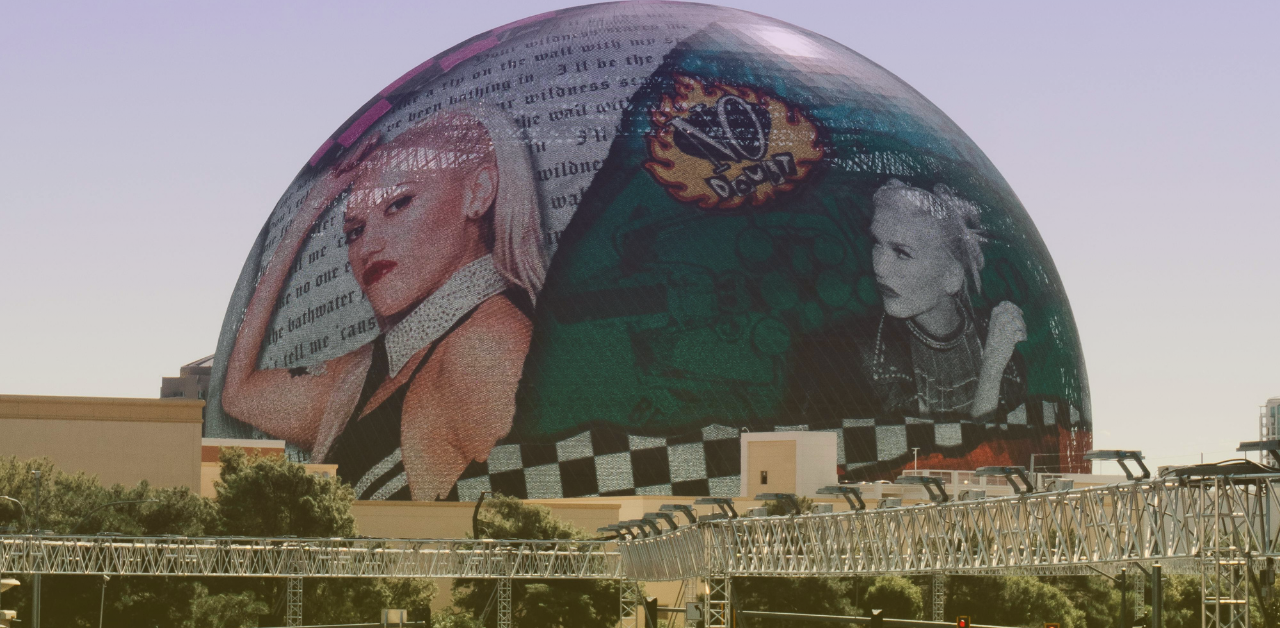
If you were injured at the Sphere Las Vegas, Allegiant Stadium, T-Mobile Arena, or another large venue, the property owner or another responsible party may be liable when an unsafe condition caused your harm.
A Sphere accident or concert injury does not automatically prove negligence. Liability depends on what happened, who controlled the area, whether the danger should have been addressed, and whether that failure caused your injuries. Nevada law allows an injured person to seek damages when another party’s wrongful act, neglect, or default causes a personal injury.
This article explains who may be liable, common hazards at major Las Vegas venues, and the steps injury victims can take to protect their legal rights and seek compensation.
Who Is Liable for an Injury at a Las Vegas Venue
A venue injury does not automatically make the building owner responsible. Liability depends on control, conduct, causation, and the evidence showing what happened.
Nevada Revised Statutes NRS 41.130 provides that a person or business whose wrongful act, neglect, or default causes a personal injury may be liable for damages. The Nevada Supreme Court has also recognized in its premises liability jurisprudence that a premises owner or operator generally owes entrants a duty to exercise reasonable care, and that premises liability standard of care is the starting point for evaluating a venue claim.
Lawyers may use the term invitee when discussing a ticketed guest, but the exact legal duty and available defenses depend on the circumstances.
Potentially liable parties may include:
- The venue owner or operator: Property owners or operators may be responsible if their neglect allows wet floors, poor lighting, steep stairs, broken railings, unsafe seating, inadequate egress, falling objects, or other dangerous conditions to cause harm.
- The event promoter or organizer: Event organizers may share responsibility when negligent planning, staffing, warnings, crowd control, or event setup help cause an injury.
- A security company: Security guards, security personnel, or their employers may be responsible when aggressive behavior, negligent security, inadequate staffing, or an unreasonable response causes or worsens an injury.
- A maintenance, cleaning, food-service, or construction contractor: Contractors may be held liable when their work creates unsafe conditions, such as spilled drinks, debris, equipment hazards, blocked walkways, or structural problems.
- More than one party: A venue owner, promoter, contractor, and security company may each have played a role. Under NRS 41.141, negligent defendants are generally responsible for the portion of a judgment tied to their percentage of fault.
Determining liability starts with identifying who controlled the area when the accident occurred and what each party did—or failed to do—to maintain a reasonably safe environment.
Injuries at the Sphere
Injured at the Sphere Las Vegas? A Sphere accident may involve the same premises liability law that applies at other large concert venues, but the setting can create distinct questions.
Sphere is currently part of Sphere Entertainment Co. The company was formerly named Madison Square Garden Entertainment Corp. before a 2023 spin-off and corporate name change. It is therefore more accurate to identify the present company as Sphere Entertainment rather than the separate business now known as MSG Entertainment.
The venue’s immersive visuals, motion effects, steep stairs, seating areas, entrances, exits, and large crowds may all matter when investigating how an injury occurred. A guest might suffer a slip and fall because of a wet floor, poor lighting, a defective step, a missing warning, or spilled drinks. Another incident could involve crowd movement, an object falling from above, heat exhaustion, or a security response.
None of these conditions proves carelessness by itself. The legal team must examine the exact location, available warnings, inspection practices, surveillance footage, incident report, witness statements, and the party that controlled the area.
The main question is whether a responsible party failed to use reasonable care and whether that failure caused the injury.
Injuries at Stadiums and Arenas
Allegiant Stadium, T-Mobile Arena, and similar Las Vegas venues move large crowds through entrances, concourses, stairs, seating sections, restrooms, and exits. Injuries happen when those areas become unsafe or when crowd movement is not handled in a timely manner, often through the same hazards that cause falls at Las Vegas hotel-casinos.
Common hazards include:
- Wet floors and spilled drinks
- Loose flooring or unsecured mats
- Steep stairs or broken handrails
- Poor lighting
- Blocked aisles and exit routes
- Falling debris or objects
- Inadequate warning signs
- Unsafe seating or railings
- Crowded entrances and exits
A concert injury may also happen when large crowds surge toward a gate, stage, merchandise area, or transportation pickup point. Heat exhaustion can become a concern during long outdoor lines or crowded transitions, depending on the weather, wait time, available water, and medical support.
A stadium injury lawyer in Las Vegas may investigate an Allegiant Stadium injury by reviewing who controlled the specific area, whether staff received earlier complaints, how quickly the hazard was addressed, and whether surveillance, inspection, or maintenance records exist.
The investigation should remain focused on the venue’s structural, operational, security, and crowd conditions—not simply on the event taking place.
Common Venue Injuries

- Slip and fall accidents: Wet floors, spilled drinks, uneven surfaces, loose mats, poor lighting, and steep stairs can cause fractures, head trauma, back injuries, and other serious injuries.
- Crowd crush or trampling: Poor crowd control, narrow exits, blocked routes, or sudden surges may expose injury victims to falls, crushing injuries, breathing problems, or severe injuries requiring emergency medical attention.
- Falling debris or objects: Equipment, signs, fixtures, merchandise, construction materials, or items dropped from higher seating areas can injure innocent bystanders below.
- Structural or egress failures: Broken railings, unstable seating, failed steps, blocked aisles, inadequate exits, or other structural failures can create dangerous situations during both normal operations and emergencies.
- Security-related injuries: Assaults, aggressive behavior, negligent security, or an unreasonable response by security guards may support personal injury claims when negligent conduct caused the harm.
Claims involving mass violence or mass shootings are highly fact-specific. An investigation may consider warning signs, crowd control, emergency planning, proper security, available exits, and the actions of multiple parties. A tragic outcome alone does not prove that a venue or security company provided poor security.
What to Do If You’re Injured at a Venue
1. Get medical attention
Call for emergency help when needed. Even when the injury initially seems manageable, seek medical attention promptly. Medical records can connect your symptoms and treatment to the incident and document serious injuries, medical expenses, rehabilitation costs, and future care needs.
2. Report the incident
Tell venue staff or security personnel where and how the injury occurred. Ask them to prepare an incident report, and request the report number and a copy if one is available. Write down the names of employees, supervisors, or security guards who responded. The steps to take after an injury on a Las Vegas property are similar whether the location is a casino floor or an arena concourse.
3. Document the scene
Take photos or video of wet floors, spilled drinks, poor lighting, steep stairs, damaged railings, blocked exits, crowd conditions, warning signs, and visible injuries. Critical evidence can disappear quickly after an area is cleaned, repaired, or rearranged.
4. Gather witness statements
Get names, phone numbers, and email addresses from people who saw the accident occur or noticed the unsafe condition beforehand. When possible, ask witnesses to briefly describe what they saw while the incident is still fresh in their minds.
5. Keep your records
Save your ticket, digital receipt, seat and section information, parking record, photos, clothing, medical bills, medical records, and records of lost wages or lost income. Keep all messages from the venue, event organizers, security company, and insurance company. Note the time and exact location where the incident occurred.
6. Be careful with the insurance claim
Do not rush into a recorded statement, broad medical authorization, or quick settlement before you understand the damages you may be able to claim, including medical expenses, lost wages, emotional distress, and other losses. A Las Vegas personal injury attorney can help preserve evidence, identify negligent parties, deal with the insurance company, and pursue fair compensation.
Frequently Asked Questions
Can you sue the Sphere?
Who is liable for a stadium injury?
What if security caused the injury?
How long do I have to file a claim?
Hurt at a Las Vegas Venue? Talk to a Lawyer
If you were injured at the Sphere, a stadium, an arena, or another property in Las Vegas or Clark County, THE702FIRM Injury Attorneys can review what happened. Our legal team handles Las Vegas personal injury and premises liability cases while you focus on medical care.
Learn more about Las Vegas premises liability and how these cases are evaluated, or contact us for a free consultation.

