Las Vegas Robotaxi & Autonomous Vehicle Accident Lawyer in Nevada
Free Confidential Consultation for Human Trafficking Victims
Free Confidential Consultation for Human Trafficking Victims
A Las Vegas robotaxi accident lawyer can help you seek compensation if a robotaxi or self-driving vehicle hurt you, even when no human driver was behind the wheel. These cases may look like traditional car accident claims at first, but figuring out who is legally responsible often requires a detailed investigation.
The evidence may point to the autonomous vehicle developer, the fleet operator, a software or component company, another driver, or more than one party. The key is understanding what the vehicle detected, how its self-driving system responded, and who controlled the technology and the fleet. THE702FIRM Injury Attorneys can investigate the crash, preserve digital evidence, and explain your options under Nevada law.
The liable party in an autonomous vehicle accident depends on why the crash occurred. In a regular car accident, the main question is often whether a human driver was negligent. In an accident involving a driverless car, the focus may shift toward product liability, manufacturer liability, fleet operations, software performance, maintenance, or a mix of human and technology failures.
Possible responsible parties may include:
Nevada courts recognize product-liability claims involving manufacturing defects, design defects, and inadequate warnings. How those rules apply to autonomous driving software, sensors, and other vehicle systems will depend on the evidence in the specific case.
A self-driving car accident lawyer must determine what each party controlled, what went wrong, and whether negligence, a defective product, or both caused the injuries.
Robotaxis are no longer only test vehicles in Las Vegas. Zoox officially launched public service on and around the Las Vegas Strip on September 10, 2025, with rides available through its app at select destinations. Zoox is an independent Amazon subsidiary, but whether Amazon itself could be named in a personal injury lawsuit would depend on the facts and its direct legal responsibility, not simply corporate ownership.
Waymo’s Las Vegas plans are also moving forward. On July 8, 2026, Waymo said it was preparing to begin fully autonomous operations in Las Vegas without a human specialist behind the wheel. It said initial rider-only operations would be for employees, with public service expected later. Waymo also reported testing Hyundai IONIQ 5 vehicles autonomously with a specialist present.
An April 8, 2025 collision involving an unoccupied Zoox robotaxi and a passenger car in Las Vegas also led to a voluntary software recall. Zoox’s report to the National Highway Traffic Safety Administration stated that no one was injured, operations were paused during review, and updated software was deployed to affected vehicles. The recall report identified an automated-driving-system prediction issue at speeds above 40 mph. These facts do not decide fault in any individual accident.
A Zoox accident lawyer or Waymo accident lawyer should review the specific vehicle data and evidence rather than assume that a prior incident, recall, or news report proves what caused a new crash.
Nevada was one of the first states to create a legal framework for autonomous vehicles. Chapter 482A of the Nevada Revised Statutes covers testing, certification, registration, and operation of autonomous technology. Nevada DMV guidance states that all levels of automation may operate on public streets, but the DMV does not test or certify a vehicle’s safety performance. Manufacturers and developers instead submit self-certification materials showing compliance with state requirements.
Before a person or company tests an autonomous vehicle on Nevada highways, NRS 482A.060 requires proof of insurance or self-insurance acceptable to the DMV in the amount of $5 million, or an approved deposit, bond, or other security in that amount. This specific $5 million rule applies to testing; other insurance rules may apply to registered vehicles, fleet services, and commercial operations.
Nevada law continues to evolve as driverless vehicles move from testing to public service. The legal consequences of a crash may depend on the vehicle’s operating status, the type of service, the companies involved, and the rules in effect when the accident occurred. Every claim should be reviewed under current Nevada law.
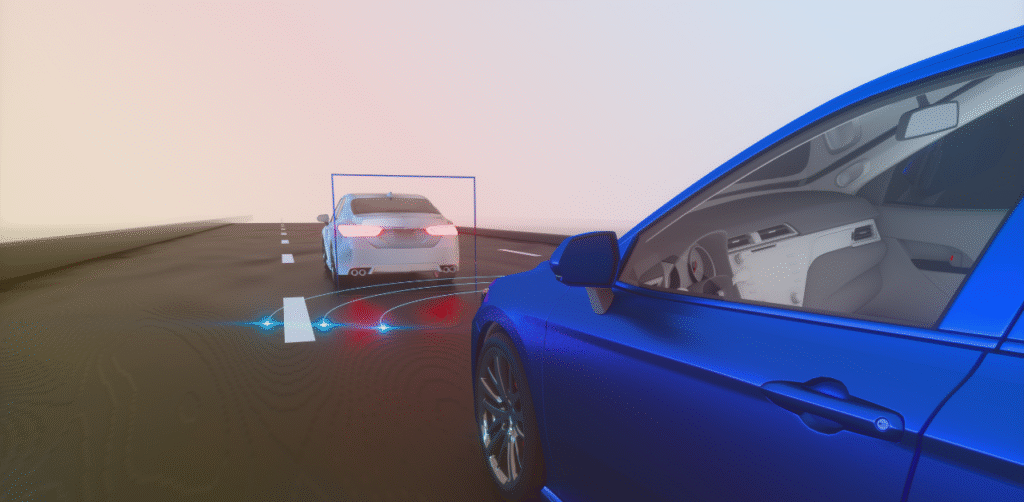
Traditional car accident claims usually center on what human drivers did before impact. Police reports, witness statements, traffic-camera footage, vehicle damage, and driver conduct remain important in a robotaxi case, but they may tell only part of the story.
An autonomous vehicle accident may also require evidence from the self-driving system, including:
This vehicle data can show what the driverless car detected, how it classified other vehicles or pedestrians, what action it planned, and whether the system responded as designed. It may also identify a technology failure that was not visible at the crash scene.
The unique challenges are speed and access. The vehicle manufacturers and fleet operators usually control much of the important evidence. Data may be overwritten, retained for a limited period, or difficult to obtain without a formal preservation demand and legal process. That is why an accident attorney should act quickly to identify responsible parties, send evidence-preservation notices, and prevent key records from disappearing.
For a closer look at how fault is assigned and who can be held responsible, see Who’s Liable When a Driverless Robotaxi Hits You in Las Vegas.
A crash involving an autonomous vehicle can injure passengers, people in other cars, pedestrians, cyclists, and other motorists. The injuries depend on speed, impact direction, vehicle size, seat position, and whether the person was protected by a seat belt, airbag, helmet, or vehicle structure.
Common injuries may include:
Significant injuries can lead to medical expenses, lost income, property damage, pain, disability, and other damages.
Do not repair or dispose of damaged personal property until it has been documented. Keep medical bills, wage records, photographs, correspondence, and notes about how the injuries affect your daily life.
The absence of a human driver does not remove liability. Fault may rest with the autonomous vehicle developer, manufacturer, fleet operator, software or component company, maintenance provider, another driver, or several parties. The answer depends on the vehicle data, physical evidence, company records, and conduct of everyone involved.
A claim may be brought against a company when evidence and Nevada law support its responsibility for the accident. Zoox or Waymo could be involved as a developer, manufacturer, or fleet operator. Amazon’s ownership of Zoox does not automatically make Amazon liable; its role and direct conduct would need to be examined.
It may be both. A human driver or vehicle owner may be negligent, while a defective self-driving system, sensor, component, or design may support a product-liability claim. A lawyer should investigate all common causes rather than force the accident into only one legal category.
Passengers may pursue compensation when they are injured because of another party’s negligence or a defective vehicle or system. Potential claims may involve the robotaxi company, a vehicle or software manufacturer, another driver, or another responsible party. Save your ride receipt, app messages, route details, and medical records.
You generally have two years from the date of the accident to file a Nevada personal injury lawsuit under NRS 11.190. Different deadlines or exceptions may apply based on the parties, the type of claim, the injured person’s age, or other facts, so the exact date should be confirmed by an attorney.
The lawsuit deadline is not the only concern. Vehicle data, camera footage, app records, and other evidence can disappear far sooner. Starting a detailed investigation early can protect important evidence and improve the ability to determine fault.
THE702FIRM Injury Attorneys approaches a self-driving vehicle claim as both a crash investigation and a potential product-liability case. We look beyond the police report to determine what the vehicle, software, fleet operator, and other drivers did before the collision.
Our process may include:
Corporate defendants and vehicle manufacturers may have large legal teams and insurers working immediately after an accident. We handle the legal process, communicate with the insurance company, and prepare the claim for negotiation or litigation without promising a result. We represent clients on a contingency fee. You do not pay an attorney’s fee unless we recover compensation for you.

A robotaxi accident can leave you with injuries, medical expenses, lost income, and questions about who is responsible. THE702FIRM Injury Attorneys can investigate the crash, preserve vehicle data, deal with the companies involved, and explain your legal options under Nevada law. Contact us for a free consultation and free case evaluation. Call our office or submit the online form. There is no attorney’s fee unless we recover compensation for you.