Types of Truck Accidents in Las Vegas
Free Confidential Consultation for Human Trafficking Victims
Free Confidential Consultation for Human Trafficking Victims
According to statistics from the Federal Motor Carrier Safety Administration (FMCSA), Nevada saw a total of 536 crashes involving commercial vehicles in a recent year. Of those accidents, 29 people died and 245 were injured.
Every day in Las Vegas, thousands of commercial trucks move through the city’s major corridors — from I-15 and the 215 Beltway to the industrial zones near the Strip and the busy loading docks behind hotels and casinos. Most drivers never think twice about sharing the road with these vehicles, but when a truck accident happens, the outcome is rarely minor. A collision involving a semi-truck, tanker, delivery truck, or construction vehicle can turn an ordinary day into a medical emergency, a totaled car, and a lengthy battle with multiple insurance companies.
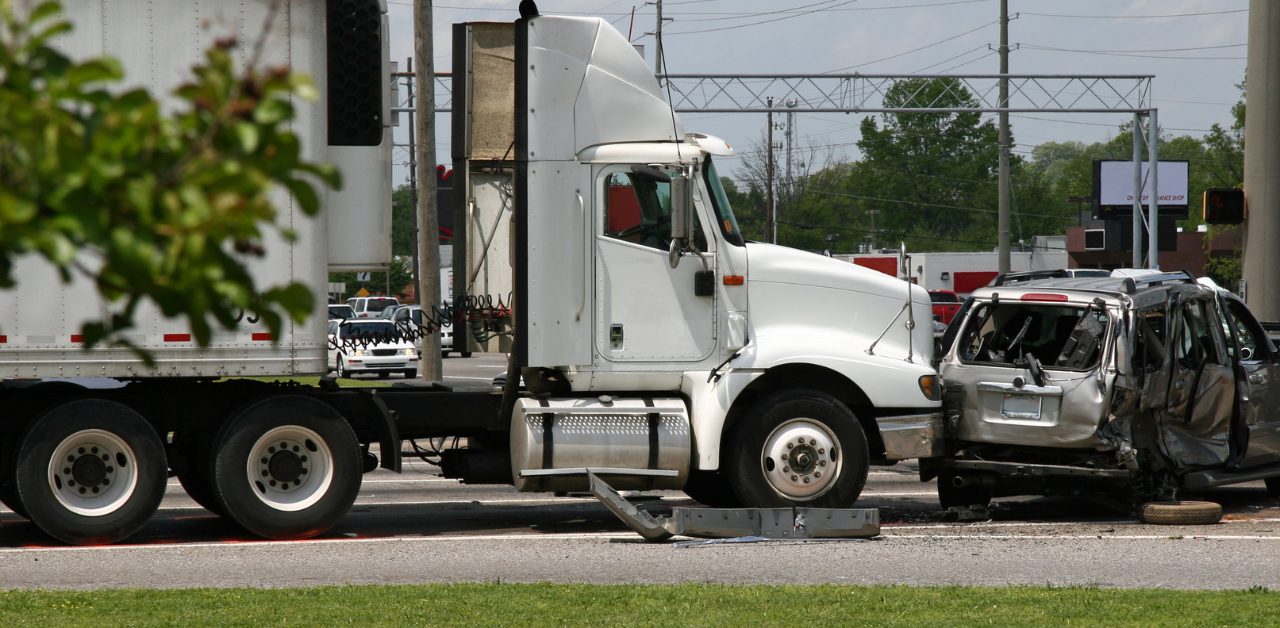
Truck accidents in Las Vegas are not handled the same way as regular car crashes. These cases often involve federal trucking rules, company safety records, driver logbooks, black box data, and several layers of insurance. The type of truck accident determines what evidence must be collected and who may be legally responsible.
Wondering about your legal options after a truck accident in Nevada? Turn to the Las Vegas lawyers at THE702FIRM Injury Attorneys. We have combined experience helping victims of truck accidents get the answers, compensation, and justice that they deserve.
Call or contact us for a free initial consultation today.
Each type of truck accident happens for different reasons, but nearly all are preventable when drivers and trucking companies follow safety rules. Below are the most frequent types of truck accidents in Las Vegas.
Rear-end collisions occur when a truck driver fails to slow down in time and crashes into the back of another vehicle. Because of the truck’s weight, the stopping distance is much longer than that of passenger vehicles.
Causes often include distracted driving, driver fatigue, and speeding. Even a low-speed impact from a large truck can cause severe injuries, especially in smaller vehicles. Whiplash, head trauma, and spinal injuries are common.
Determining liability often involves reviewing black box data, police reports, and the truck’s maintenance history. Our team investigates these details to prove fault and protect your rights.
Head-on collisions are some of the most dangerous accidents in Las Vegas. They often occur when a truck driver loses control, crosses the centerline, or drives in the wrong direction on a divided highway. Head-on crashes typically result in fatal injuries due to the combined impact speed. An experienced truck accident lawyer can help determine who is responsible and assist with the legal process for personal injury claims.
A jackknife accident occurs when a truck’s trailer swings out to one side and forms an angle with the cab. When this happens, the truck can slide across multiple lanes, striking other vehicles. Jackknife accidents often happen when a truck driver brakes too suddenly, drives too fast on wet roads, or loses control due to improper cargo loading. Overloaded trucks also increase the risk. These crashes can involve several vehicles, making the legal process more challenging. Trucking companies, cargo loaders, or maintenance providers may share liability.
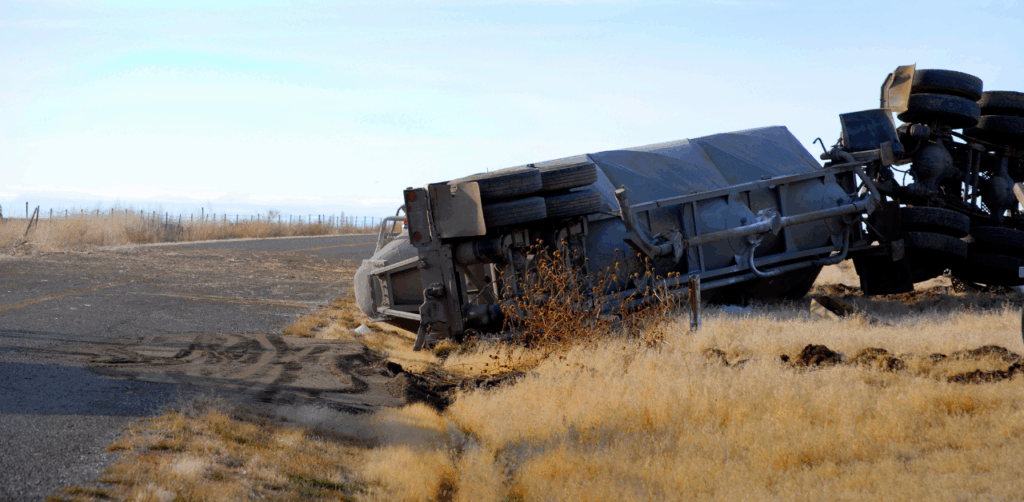
A rollover accident happens when a large truck tips onto its side or roof. Rollovers often occur on sharp curves, exit ramps, or during sudden evasive maneuvers. Improper cargo loading, speeding, or tire blowouts can easily trigger a rollover. Truck rollovers can crush smaller vehicles and cause multi-car pileups. Victims often suffer catastrophic injuries, such as spinal cord damage or internal bleeding.
In these types of truck accident cases, we collaborate with accident reconstruction specialists to determine whether the trucking company failed to properly train its driver or allowed an unsafe vehicle to be on the road.
An underride accident happens when a smaller vehicle slides under the rear or side of a large truck. These accidents are often fatal because the top of the smaller vehicle is crushed on impact.
Federal law requires many commercial trucks to have underride guards; however, poor maintenance or improper installation can render them ineffective. Trucking companies must ensure these guards are in place and in good condition.
Victims of underride accidents often require long-term medical care. A truck accident attorney can help secure compensation for these life-changing injuries.
An override crash occurs when a large truck runs over a smaller vehicle in front of it. These are especially common in heavy traffic on I-15 or U.S. 95 when drivers brake suddenly. Override crashes frequently lead to fatal injuries or severe property damage. Truck drivers must maintain safe following distances and adjust speeds according to road conditions.
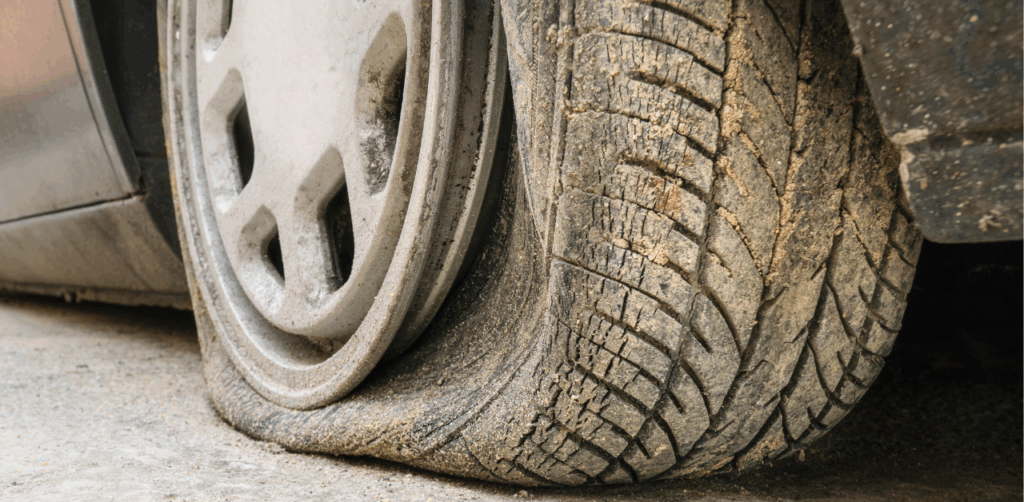
A tire blowout accident can cause a truck driver to lose control within seconds. Large commercial trucks rely on tire maintenance to stay safe on the road. When a tire bursts, the truck can swerve into other lanes or roll over. Tire blowouts often result from poor maintenance, overloading, or defective tires. In some cases, the manufacturer may be held liable if the tire was defective.
When a trucking company or cargo loader exceeds weight limits or fails to secure the load properly, an overloaded truck can become unstable and pose a significant risk. Cargo may fall onto the roadway, causing other drivers to crash. Overloaded trucks also make braking harder, increasing the risk of rear-end or jackknife accidents. Trucking companies are required to follow federal weight and balance regulations. Failure to do so can make them liable for the resulting injuries.
Large commercial trucks have wide blind spots on all sides, especially along the trailer. When a truck driver fails to check these areas before changing lanes or turning, they can sideswipe or crush a nearby vehicle. Blind-spot accidents often result in serious injuries because smaller vehicles can become trapped under the trailer. Training and mirrors designed for wide-angle viewing can reduce these crashes, but negligence often plays a role.
When a truck makes a right turn, it often swings left first to clear the curb. This movement can trap vehicles or pedestrians in the truck’s path. Improper turn signals and a lack of awareness are common causes. These accidents often happen in tight intersections across Las Vegas, especially downtown and near hotel zones where traffic is dense.

If you’ve been injured in any type of commercial vehicle crash, a knowledgeable Las Vegas truck accident lawyer from THE702FIRM Injury Attorneys could help you seek compensation by:
Most personal injury cases, including truck accident claims, resolve through settlements. No matter where your case takes you, you can rely on THE702FIRM Injury Attorneys to stand by your side every step of the way. We can guide you through every part of the legal process, always keeping the goal of securing maximum compensation as our priority. Reach out to us online today for a free, no-risk consultation.
We represent truck accident victims on a contingency fee basis, which means you’ll never pay anything out of pocket for our services. There’s no fee unless we obtain a recovery on your behalf, so there’s literally nothing to lose.
Ready to get started? Call or contact us now.