National & Local Trucking Laws in Nevada
Free Confidential Consultation for Human Trafficking Victims
Free Confidential Consultation for Human Trafficking Victims
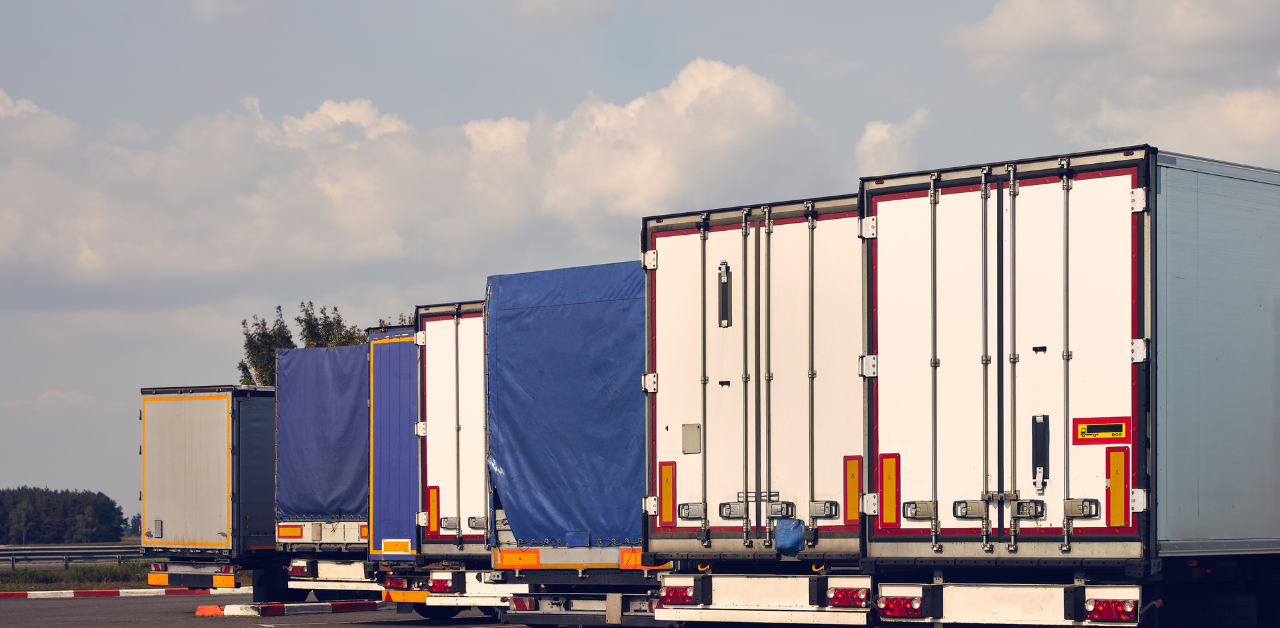
Large trucks move nearly everything that enters or leaves Nevada. From food and fuel to building materials and household goods, the trucking industry keeps the state running. At the same time, commercial trucks pose serious risks on highways such as I-15 and US-95, as well as on surface streets throughout Las Vegas.
Nevada trucking laws exist to protect other motorists, limit driver fatigue, and reduce preventable truck accidents. These laws apply to truck drivers, trucking companies, and motor carriers operating both inside Nevada and across state lines.
Whenever trucking rules and regulations are violated, accidents can occur. At THE702FIRM Injury Attorneys, we investigate these complex cases and demand full compensation for people who were harmed in truck accidents attributed to state and federal trucking violations. Our experienced truck accident lawyers represent clients throughout the greater Las Vegas area. We are committed to protecting the rights of those injured in truck accidents.
Contact us today to schedule a free consultation, and let us get to work on investigating your claim.
Because of the dangers commercial truck collisions pose, the federal government has strict rules and regulations to ensure trucking companies and their operators maintain and drive trucks safely. These regulations are referred to as the Federal Motor Carrier Safety Regulations.
The Federal Motor Carrier Safety Administration (FMCSA) regulates the U.S. trucking industry. The FMCSA provides rules that truck drivers are required to follow. If you have been injured in a truck accident in Nevada, FMCSA regulations will most likely play a significant role in your claim.
FMCSA regulations govern:
The FMCSA provides numerous important regulations for truck drivers. If you have been involved in a truck accident in Las Vegas, your attorney must be well-versed in the federal and state regulations for truck drivers. Your lawyer also needs to have an understanding of how the court and the defense might interpret the regulations as applied to your unique case.
The Las Vegas truck accident lawyers at THE702FIRM Injury Attorneys have the skills needed to navigate the complex legal processes involved in cases where trucking regulations were violated. Our lawyers have helped countless clients achieve successful results in their truck accident claims when truck drivers, trucking companies, and others did not follow rules and regulations. Contact our experienced lawyers today to learn how we can help with your case.

Trucking regulations in Nevada are established by the Nevada Department of Transportation (NDOT). This agency sets forth vehicle size and weight limits as well as regulations that apply to truck drivers and trucking companies. Key Nevada trucking regulations are as follows:
Interstate driving involves crossing state lines. Intrastate motor carriers operate only within Nevada. Both must follow trucking regulations, but enforcement agencies may differ.
Interstate motor carriers answer primarily to federal laws and federal regulations. Intrastate carriers fall under the Nevada Department oversight, but still follow many federal trucking laws.
Household goods movers and intrastate common goods carriers often operate under these intrastate rules. Even short local routes must comply with licensing, insurance, and safety standards.

Every trucking regulation exists to avoid accidents and protect the public. When truck drivers must rest, follow weight limits, maintain safe vehicles, and remain sober, roads become safer for everyone. When those rules are ignored, crashes often involve:
Understanding Nevada trucking laws helps injured people recognize when a crash was not just bad luck but the result of preventable misconduct.

Trucking crashes are rarely simple. Behind most serious collisions, we often uncover rule violations that never appear in a police report. Logbooks that do not match driving hours. Loads that exceed legal limits. Drivers are placed on the road when they should have been resting. These details matter because they shape accountability and compensation.
At THE702FIRM Injury Attorneys, we handle truck accident cases with the attention they demand. We look beyond surface facts and focus on the records, regulations, and decisions that led to the crash. Our goal is straightforward. We pursue fair compensation while treating every client with honesty and respect from day one.
That approach is reflected in the words of one of our clients, Erin C.:
Madlen was amazing! Treated me as a true friend and I got the money I deserved! I will definitely refer her to and the 702 firm! Thank you so much!
Call us today to schedule a free, no-obligation consultation with one of our skilled and compassionate truck accident attorneys in Las Vegas.