Dog Bite Laws in Nevada

Free Confidential Consultation for Human Trafficking Victims
Free Confidential Consultation for Human Trafficking Victims

Nevada dog bite laws do not impose strict liability on pet owners. Instead, a dog bite victim must prove negligence, negligence per se, or that the owner knew the dog was dangerous, a concept sometimes called the Nevada one-bite rule. Each Nevada dog bite case depends on the facts: owner conduct, local ordinances, and insurance coverage all matter.
This article explains Nevada dog bite laws, including local rules, property owner duties, and filing deadlines. If you were bitten in Las Vegas, Henderson, North Las Vegas, or anywhere in Nevada, contact a Las Vegas dog bite lawyer for a free consultation about your claim.
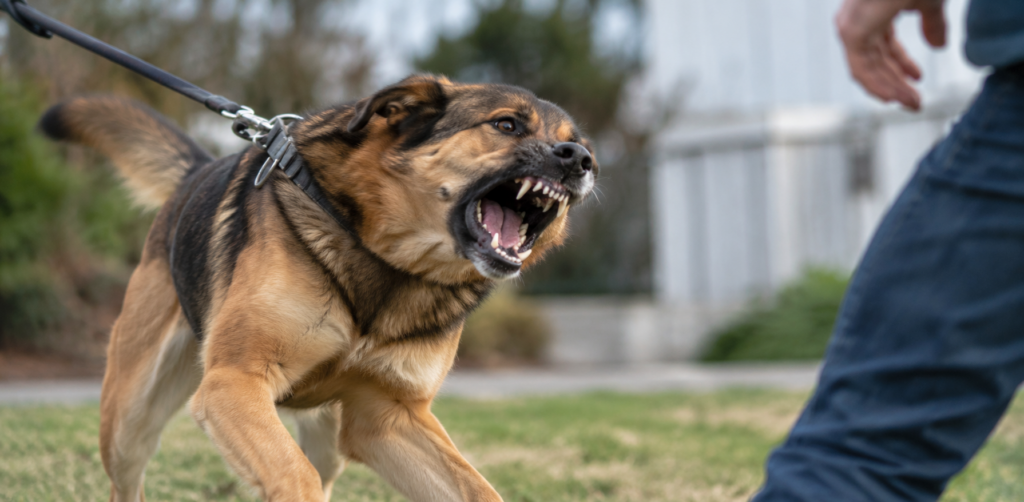
There is no NRS dog bite statute that automatically makes an owner liable just because a bite occurred. Nevada does not have strict liability for dog bites. Under a strict liability system, a dog’s owner would be responsible regardless of fault. Instead, Nevada uses a negligence-based system for dog bite claims, requiring proof that the owner failed to act reasonably.
Nevada dog bite claims proceed under ordinary negligence, negligence per se, or scienter, meaning the owner’s knowledge of a dog’s dangerous tendencies. Courts assess whether harm was foreseeable and whether the person responsible exercised reasonable care.
The so-called free bite myth is misleading. Nevada does not automatically hold dog owners liable for a first-time bite, but it also does not give every dog one free bite before liability kicks in. A dog owner can be liable without a previous bite history if other warning signs existed. Insurance companies often defend dog bite claims vigorously by pointing to Nevada’s non-strict-liability framework, which is why building a strong negligence claim matters.
Nevada loosely follows a one-bite rule approach rooted in scienter: an owner can be held liable if they knew or should have known their dog was dangerous, even without a prior documented bite. The one-bite rule does not literally mean a dog gets a free bite. Evidence of prior aggression can support a negligence claim; prior growling, lunging, snapping, or chasing can show the owner knew.
Examples of facts that prove the owner knew about the dog’s dangerous tendencies include:
A dangerous or vicious dog designation under NRS 202.500 strongly supports scienter because it puts the owner on official notice. We investigate the dog’s history, prior incident reports, vaccination records, and witness statements to establish what the owner knew.
Ordinary negligence asks whether someone failed to act with reasonable care. A dog bite victim generally must establish a duty, a breach of that duty, a causal connection, and actual harm. The focus is on preventable conduct rather than the dog’s history alone.
Examples include leaving an escape route open, using a leash the handler cannot control, or allowing a dog to approach visitors despite clear signs of distress. Responsibility may involve an owner, keeper, or someone who has taken custody of the dog, such as a dog sitter. Calling someone a “harborer” does not establish liability on its own; the person’s actions and legal duties still matter.
Negligence per se concerns a violation of a law intended to protect people from the kind of harm that occurred. A leash or at-large ordinance may support this theory when the injured person belongs to the protected group and the violation caused the injury. Review applicable exceptions or legally recognized excuses as well.
An unrelated violation is not enough. For example, missing paperwork does not necessarily explain why a bite happened. Evidence should connect the owner’s failure to the attack. Photographs of a broken latch, witness accounts, video, and animal control records can help establish that connection. Medical records document the resulting dog bite injury.
The losses associated with that injury also need documentation. Medical bills, lost wages, and lasting physical or emotional effects can affect how much a dog bite claim may be worth, depending on the evidence and the specific circumstances of the case.
Dog bite laws in Nevada depend heavily on local ordinances. Las Vegas, Clark County, Henderson, North Las Vegas, and cities like Reno in Washoe County each maintain their own leash laws. In these areas, dogs generally must be on a leash. Under Clark County Code Title 10, an animal is “at large” when it is not restrained by a lead of six feet or less, or otherwise confined to the owner’s property.
Violating a city law or county leash rule can serve as evidence of negligence per se when a dog running at large bites someone. Local rules also require rabies vaccinations and licensing; failure to comply can affect how local animal control and insurers evaluate a dog bite claim. Clark County dog bite laws and Las Vegas dog bite laws treat repeat incidents seriously, and animal control agencies can impose fines, impound animals, or require special confinement.
If you are unsure which leash law applies where the bite occurred, contact local animal control or our office.
NRS 202.500 is Nevada’s criminal statute that defines dangerous and vicious dog classifications and sets penalties for owners. It does not create civil strict liability on its own. Nevada law classifies dangerous dogs based on behavioral history and incident severity; generally, a dog is declared dangerous if it has acted menacingly without provocation on two separate occasions within 18 months while off the owner’s property.
A dog can be deemed vicious if it inflicts substantial bodily harm or continues aggressive behavior after being labeled dangerous. Local animal control or law enforcement investigates and may classify the dog after hearings. Consequences for owners include strict confinement, required muzzling, microchipping, and possible criminal exposure. In extreme cases, a judge may order euthanasia.
Breed alone cannot trigger a dangerous or vicious designation; only the particular dog’s behavior matters. Nevada carried that principle into insurance regulation. Under Senate Bill 103, effective January 1, 2022, the Nevada Division of Insurance explains that insurers may not refuse to issue, cancel, decline to renew, or increase premiums on homeowner, renter, manufactured home, or umbrella policies based on a dog’s breed, and may not even ask what breed a dog is. An insurer may ask whether a particular dog is known to be dangerous or vicious under NRS 202.500, and only a specific dog so identified can support an adverse action. Certain working dogs, like police K-9s, may be treated differently, but an experienced attorney should verify any such distinction.
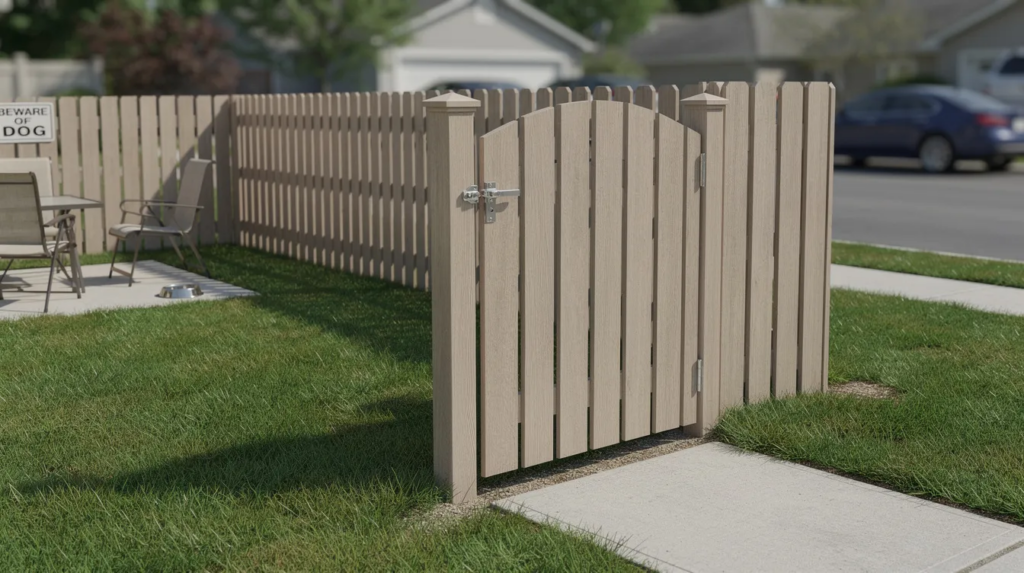
The dog’s owner or keeper is primarily responsible, but a landlord or property owner may share liability under certain conditions. Landlords are not automatically held liable just because a bite happened on their property. In Harry v. Smith, 893 P.2d 372 (Nev. 1995), a child was bitten by a dog living at a house the defendants owned but did not own the dog. The Nevada Supreme Court reversed summary judgment as to one owner because factual questions remained about whether a landlord-tenant relationship existed, whether family members acted as her agents, and whether she had assumed a duty to protect third parties. It affirmed dismissal as to a co-owner whose only connection was joint ownership. Later decisions have described that standard as requiring affirmative action to assume a duty, which is why mere land ownership is not enough.
A landlord may be liable if they:
A dog sitter or employer can also face liability when someone else’s dog injures a person during their care. Identifying all responsible parties, including owner, keeper, landlord, and business, is critical. We investigate leases, prior complaints, and all available insurance coverage, including homeowners insurance, renter’s insurance, and commercial policies. Claims can be complicated when the dog’s owner is unknown, so a thorough investigation is essential.
Yes, that phrase commonly describes claims based on the owner’s prior knowledge of dangerous tendencies. It does not require every victim to prove an earlier bite. For dog bite claims based on negligence or a violation of an applicable safety law, careless conduct may establish responsibility even without a prior attack.
Animal control may investigate, arrange a rabies quarantine, and consider whether the dog meets the criteria for a dangerous or vicious designation. A bite does not automatically mean the dog will be euthanized. The injury, circumstances, applicable code, and any lawful order determine what happens next; quarantine and a designation are separate matters.
Yes. A bite on the owner’s property can lead to a lawsuit, but the injured person still must establish a valid legal basis to recover. Homeowners or renter’s insurance may provide coverage, depending on the policy. For payment questions, see who pays dog bite medical bills.
Not automatically. Nevada law generally limits a property possessor’s duty to trespassers. Recognized exceptions include willful or wanton harm and a failure to use reasonable care after discovering someone in danger on the premises. Permission to enter, the location, and the owner’s conduct require review before assessing a defense.
In Nevada, you must file dog bite claims within two years. Under the personal injury statute of limitations in NRS 11.190(4)(e), most Nevada dog bite claims must be filed within two years of the bite, and Nevada’s two-year injury deadline raises its own accrual questions. Miss this deadline, and the court will usually dismiss your claim, regardless of how serious your injuries are.
Limited exceptions may apply for bites involving minors or delayed-discovery injuries, but these are narrow. Acting quickly matters, because surveillance video, witness memories, and animal control records can disappear. Contact our firm for a free review so we can confirm your deadline and protect your rights.
Dog owners and insurers frequently raise defenses like provocation, trespassing, or comparative negligence to reduce or deny dog bite claims.
Insurers often exaggerate provocation or trespassing claims to shift blame. We gather witness statements, video, and photos to push back. Don’t assume you have no claim just because the dog’s owner blames you. Small amounts of shared fault usually don’t erase your entire dog bite case.

Get medical attention and report the bite to the local animal control agency where it happened. In unincorporated areas, contact Clark County Animal Protection Services, often called Clark County Animal Control. Its published guidance states that all bites from a warm-blooded mammal to a human must be reported, and describes a ten-day rabies quarantine from the date of the bite. Depending on the circumstances, quarantine may occur at home, at the county’s contract shelter, or with a veterinarian.
An animal control officer’s report can help identify the dog, its owner, vaccination records, and witnesses. When reporting a dog attack, keep the report number, photographs, and treatment records to document the incident and any resulting injuries. Although this information may support a potential injury claim, filing a report does not determine civil liability.
Dog bite injuries cause real physical harm, scarring, emotional trauma, and financial strain, especially for children and families in Las Vegas and Clark County. We understand Nevada dog bite laws, local leash laws, and how to build negligence, negligence per se, and scienter-based cases to help you recover compensation.
Call THE702FIRM Injury Attorneys today or request a free consultation to speak with a Las Vegas dog bite lawyer about your Nevada dog bite case.