Casino Trip and Fall Accidents in Las Vegas, NV

Free Confidential Consultation for Human Trafficking Victims
Free Confidential Consultation for Human Trafficking Victims

A Las Vegas casino is built to keep people moving. Guests walk from the gaming floor to hotel towers, restaurants, bars, shows, shuttle pick-up zones, and parking areas. In that kind of setting, one loose carpet edge, one dim walkway, or one blocked path can turn a normal night into a painful fall accident. When that happens, people often ask the same thing: was this just bad luck, or did the casino fail to keep the property safe?
At THE702FIRM Injury Attorneys, we help injured people look at that question through the lens of Nevada law. A trip and fall accident in a casino is about what caused the fall, what the casino knew or should have known, and what evidence can prove the danger should have been fixed before someone got hurt. Nevada premises liability law does not make casino owners automatic insurers of every accident, but it does require property owners to use reasonable care to keep casino premises reasonably safe for guests.

A casino can be held liable when a fall occurs because the property was not kept in a reasonably safe condition. Under Nevada law, the issue is not simply that someone was injured at a casino in Las Vegas. The issue is whether the casino operators failed to take reasonable steps to protect guest safety.
That can involve resort liability for a dangerous condition on the casino floor, on a hotel-casino property, or along a walkway used by guests and other visitors. A casino premises liability claim usually focuses on four points: the casino owed a duty of care, a dangerous condition existed, the casino knew or should have known about it, and the condition caused fall-related injuries and financial loss.
Nevada law also applies comparative negligence, so the defense may argue the injured person was partly at fault. If that happens, damages can be reduced by the injured person’s share of fault, and recovery is barred only if the injured person’s negligence was greater than the negligence of the defendant or combined defendants.
This matters in casino accident compensation claims because casinos often argue the hazard was obvious or the guest was distracted. Nevada law does not automatically let a property owner avoid liability just because a condition may have been visible. That issue can be resolved on reasonable care and comparative fault grounds, rather than ending the case outright.
The strongest claims usually involve proof that the hazard was preventable and should have been addressed before the incident. In hotel and casino injury cases in Las Vegas, these often include poor maintenance, recurring problems in the same area, missing warning signs, or surveillance footage showing staff passing by the danger without addressing it.
These facts matter because Nevada’s premises liability law looks at reasonableness. If the casino knew the area had heavy traffic and a higher chance of spills or tripping hazards, it may have had a stronger legal obligation to inspect, clean, repair, and warn.
A casino slip and fall or trip hazard case becomes stronger when records, witness statements, or video show that the danger existed long enough for the casino staff to have noticed and fixed it.
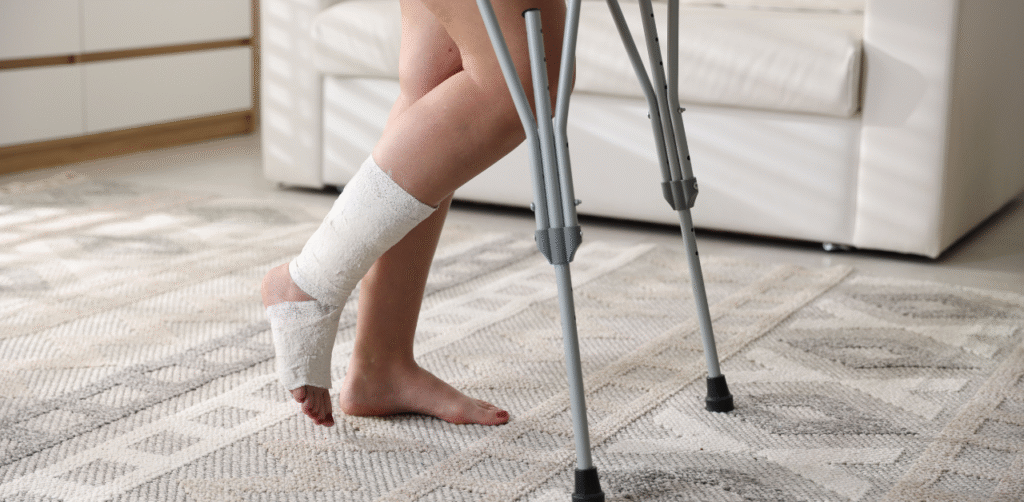
A trip and fall can cause much more than bruising. Many visitor injuries involve hard flooring, abrupt transitions, and crowded conditions that worsen the impact. A serious injury can include broken bones, a head injury after a fall, a back injury after a fall, shoulder damage, knee trauma, or even a fractured hip from fall accident complications. Older guests are at even greater risk of serious harm after a fall in Las Vegas hotels and casinos.
Medical care should come first. Seek medical attention right away, even if the pain seems manageable at first. A slip and fall injury can worsen over the next day or two, and delayed treatment can make both recovery and a casino injury claim in Nevada harder. Medical records help show what injuries were diagnosed, when symptoms started, and how the fall affected work, mobility, and daily life.
Those records can also support claims for medical expenses, future medical care, and pain tied to long-term recovery.
This is where many personal injury claims are won or lost. To recover damages, injured victims usually need proof that the casino owners or casino operators had actual notice or constructive notice of the dangerous condition. Actual notice means the casino knew about it. Constructive notice means the hazard existed long enough or was sufficiently predictable that the casino should have found it through reasonable inspection and maintenance.
Proof can come from several places. from different sources. Security cameras might show how long the danger was there. Cleaning logs may reveal poor timing of inspections. Maintenance records may show prior complaints. Witnesses may confirm the condition was there before the fall. Photos may show worn flooring, loose carpets, or poor lighting. In some cases, the area itself tells the story.
A route used by guests all day long calls for more frequent inspection than a low-traffic back hallway. Nevada Bar guidance on premises cases points to sweep logs, employee training, surveillance, and incident reports as common sources of proof on notice and safe-property practices.

Casino accident compensation depends on the injury, the proof, and how the fall changed the person’s life. A premises liability claim may include medical bills, future treatment costs, lost wages, reduced earning ability, and pain and suffering. In a stronger fall claim, compensation may also reflect long-term limits after a serious injury, especially after head trauma, spinal damage, or a fractured hip from a fall accident treatment.
Nevada also sets deadlines. Personal injury actions based on negligence generally must be filed within two years under NRS 11.190. Waiting too long can damage the claim, not only because of the filing deadline, but also because evidence becomes harder to secure as time passes.

You should call as soon as your immediate medical needs are addressed. That is especially true if the casino security team took a statement, if the casino accident happened in a hotel-casino common area, or if you believe the casino knew about the hazard before the fall.
At THE702FIRM Injury Attorneys, we take pride in making the process easier for people who need straight answers and real help after an injury. As one client, Becca M., shared:
The 702 Firm settled my case fast! The attorneys and staff were easy to talk to and always had a smile. Madlen went above and beyond to help me. She got me my check less than 6 months after my accident. Thank you 702 Firm
If you were injured at a casino in Las Vegas, contact us for a free consultation. We can review what happened, explain the next steps, and help you protect the evidence needed to move your claim forward.