Las Vegas Spinal Cord Injury Recovery: Optimize Your Rehabilitation with THE702FIRM

Free Confidential Consultation for Human Trafficking Victims
Free Confidential Consultation for Human Trafficking Victims

Rehabilitation and recovery after a spinal cord injury can be a challenging journey, but with the right support and treatment, improvement is possible. This process involves physical and occupational therapy to regain muscle function and daily living skills.
Patients benefit from a specialized rehabilitation team, including physical therapists, occupational therapists, and social workers. Spinal cord injury rehabilitation programs prevent complications like pressure sores and respiratory infections while promoting physical function and emotional support.
Understanding spinal cord injury rehabilitation and recovery is essential for both patients and family members. For legal assistance, contact THE702FIRM Injury Attorneys, a spinal cord injury attorney.
Understanding the types, injury levels, initial treatments, and common complications is important for effective management and recovery.
Spinal cord injuries are classified into two main types: complete and incomplete.
SCIs are also categorized by the level of the spine where the injury occurs:
The initial treatment of a spinal cord injury is critical. It often begins in the emergency room and may include:
Early treatment aims to stabilize the patient and prevent complications. This may involve intensive care unit (ICU) support for respiratory complications and blood pressure management.
Living with a spinal cord injury involves many challenges. Patients face complications that require ongoing management and support:
Effective management involves a specialized team, including physical therapists, occupational therapists, rehabilitation nurses, and social workers. A comprehensive spinal cord injury program can aid in recovery and rehabilitation, focusing on physical and occupational therapy to regain independence.
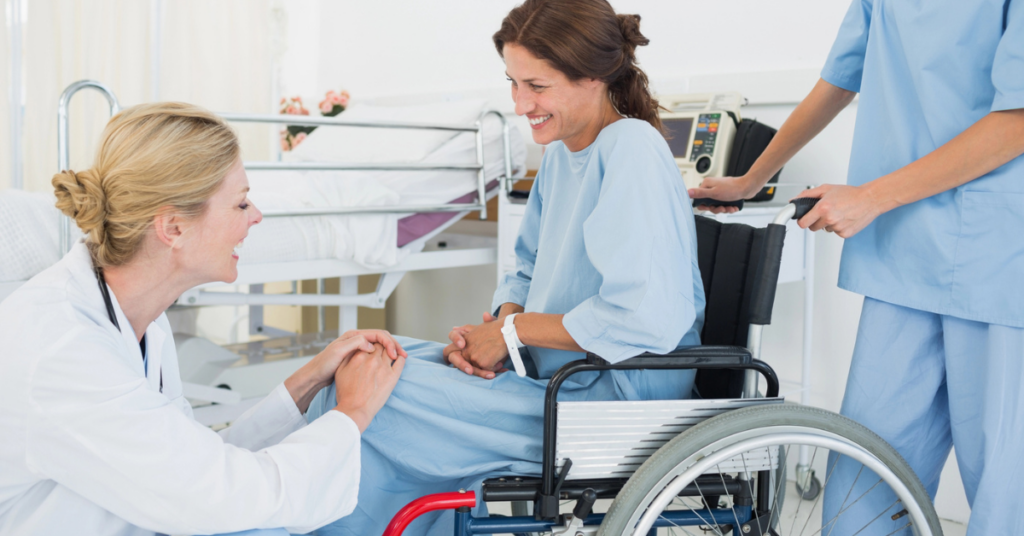
Recovering from a spinal cord injury (SCI) is a detailed, step-by-step process to restore function, increase independence, and improve quality of life. Here’s a look at the key aspects of the rehabilitation process:
The primary goals of spinal cord injury rehabilitation are:
Starting rehabilitation early is essential for spinal cord injury recovery. Here’s why:
Physical therapy is essential for restoring muscle function and improving mobility.
Occupational therapy focuses on helping individuals with spinal cord injuries manage daily activities.
Coping with the emotional and mental challenges of a spinal cord injury is crucial.
Some individuals with spinal cord injuries may need specialized therapies.
The rehabilitation process for spinal cord injuries is complex and requires the expertise of various healthcare professionals. Early treatment and a personalized rehab plan are essential for better outcomes and quality of life for SCI patients.
Family, friends, and healthcare professionals all play important roles in helping with both physical and emotional recovery.
The role of family and friends becomes even more important when dealing with a spinal cord injury. They offer emotional support, help with everyday tasks, and provide a listening ear during tough times. This support significantly impacts the injured person’s mental health and overall well-being.
Having good social skills is essential for those recovering from a spinal cord injury. These skills help build and maintain strong relationships with healthcare professionals and other supporters during recovery.
Recovery from a spinal cord injury involves a team of healthcare professionals working together. Doctors specializing in Physical Medicine and Rehabilitation (PM&R) focus on treating the whole person, considering their physical, social, and emotional needs. The healthcare team usually includes:
These professionals use treatments based on scientific research to help patients adjust to lifestyle changes and progress in their recovery.
The Madison Spinal Cord Injury group at UW Health Rehabilitation Hospital plays a key role in recovery by matching patients with experienced peer mentors. These mentors provide valuable support and guidance during rehabilitation, helping patients to manage recovery challenges.
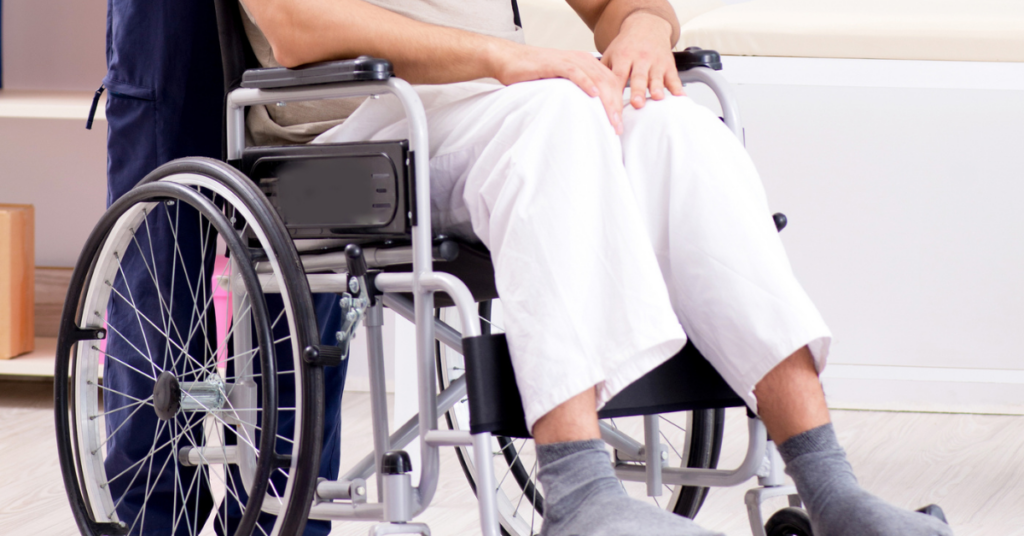
Assistive devices and adaptive equipment are essential for improving the independence and quality of life of people with spinal cord injuries. These tools are customized to meet each person’s needs and support their recovery journey. Some examples include:
These technologies significantly enhance daily activities, helping individuals with spinal cord injuries regain independence.
Devices that help with movement include:
These are essential for those with spinal cord injuries. Depending on their upper body strength, people might choose different types of wheelchairs, including standard models or those designed for sports. In later stages of recovery, individuals might use walking frames, crutches, braces, or parawalkers to improve their mobility.
These devices help with everyday tasks like grooming, eating, and dressing. Examples include:
These devices increase independence and ensure safety and comfort in daily activities.
Rehabilitation and recovery after a spinal trauma can be challenging, but with the right support, it’s achievable. Legal support and financial assistance play crucial roles in ensuring access to necessary treatments like physical or occupational therapy or spinal cord injury programs.
That’s why you need THE702FIRM Injury Attorneys specializing in Las Vegas spinal cord injury cases. We help victims secure the compensation needed for comprehensive rehabilitation programs. These funds can cover costs for physical therapists, rehabilitation specialists, and other essential healthcare professionals. This support can greatly enhance recovery, allowing patients to focus on regaining muscle function and normal daily living.
If you or a loved one has suffered a spinal cord injury, consult with THE702FIRM Injury Attorneys to explore your legal options and secure the financial assistance you need for your recovery journey. Schedule a consultation today to get started on the path to a better future.